Blackout Curtains in the Window: Britain's High Street Units Are Becoming Soundstages
Walk down almost any British high street in 2026 and you will see the same handful of plot lines. A former bank branch with its cash machines bricked up. A department store whose escalators have stopped mid-floor. A phone shop, a fashion unit, a pound shop, all with To Let boards that have faded in the sun. Then look again. Behind one of those windows there may be a C-stand, a roll of blackout, a kettle and a call sheet taped to the door.
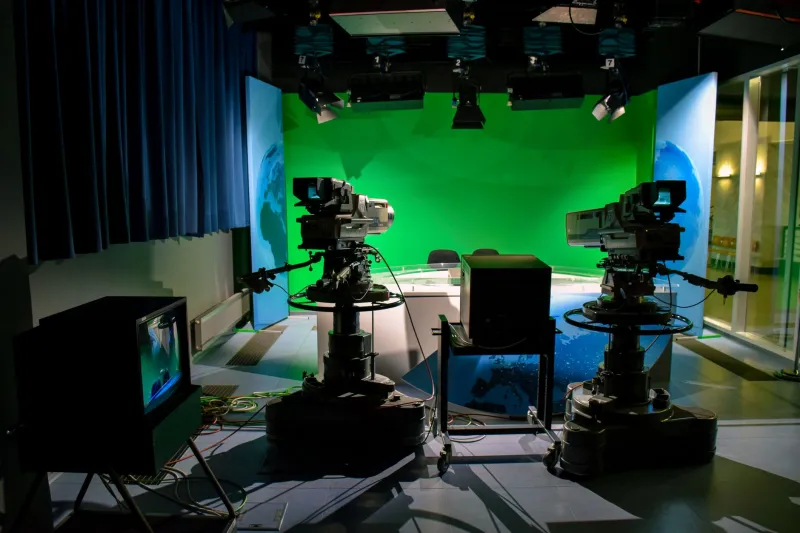
The high street soundstage is no longer a novelty. Across the UK, indie producers, photographers and music teams are turning empty retail units into working studios. The appeal is not nostalgia. It is square footage, location and a landlord who would rather have a tenant than a void. But a shop is not a stage, and the gap between the two is where the real work begins.
Why a former department store beats a business park shed
The first argument is practical. Retail units come with space that was built for crowds: wide entrances, high ceilings, service corridors, loading bays and back-of-house stairs. A former bank has a safe, a strong room and sometimes a surprisingly good acoustic lobby. A department store has stockrooms, lifts and enough floor area to build a set without folding it in half.
The second is location. Town centres are on bus routes and rail lines. Crew can get there. Cast can get there. Clients can get there without a minibus and a satnav argument. For a one-day shoot, that matters. For a five-day shoot, it is the difference between a workable budget and a taxi bill that looks like a phone number.
The third is character. A retail shell has history in its surfaces: terrazzo, parquet, pressed tin ceilings, old signage, layers of paint. Producers do not always want a blank box. Sometimes they want a room that looks like it has been lived in by a town. A former butcher, a library, a working men's club or a department store cosmetics hall can give a set a texture that no flat-pack studio can fake.
The light problem, and the sound problem
Here is the honest bit. Shops were designed to let light in and let people see. Studios need to keep light out and keep sound in. Those two ambitions do not naturally get along.
A big shop window is a gift for a daylight scene and a headache for a night shoot. Blackout has to be fitted properly, not taped up in a hurry. Light spill from the street, from a neighbouring unit, from a bus passing at the wrong moment, all has to be managed. In summer, a south-facing window can turn a set into a greenhouse by ten in the morning. In winter, the heating may be doing very little while the back door lets in a draught.
Sound is the other test. High streets are not quiet. Deliveries start early. Buses idle. Refrigeration units hum. Shoppers talk. A unit with a shared wall and a residential flat above is not a soundstage until someone has thought seriously about isolation. That might mean a floating floor, a suspended ceiling, acoustic seals, heavy curtains, or simply scheduling loud scenes away from the hours when the town is awake.
None of this is a reason to walk away. It is a reason to survey the space properly before the crew arrives. Power is part of the same conversation. Old retail circuits were not designed for lighting rigs and playback. Three-phase supply, distribution boards, cable routes and ventilation all need checking. A beautiful room with a weak supply is a beautiful room with a generator outside.
The access question
Access is the unglamorous chapter that decides whether a unit works. Can a van pull up? Is there a loading bay, or only a double-yellow line and a hopeful hazard light? Are there lifts, or only stairs? Is the entrance step-free for cast, crew and equipment? Where do you put a crowd of extras who need to wait, eat and use a toilet that is not also the green room?
Town centre units often come with restrictions. Pedestrianised streets have delivery windows. Conservation areas have rules about signage and alterations. Landlords may want public liability, insurance and a clear plan for security. Councils may want to know about noise, waste and change of use. The producers who make these spaces work tend to be the ones who talk to the council early, not the ones who hope nobody notices.
What the high street gets back
The gain is not only for producers. A working studio brings people into a town centre on a Tuesday. Crew buy coffee, lunch and last-minute tape. Clients book taxis and hotel rooms. A vacant unit becomes lit, heated, secured and looked after. That has a value that spreadsheets often miss.
There is a cultural gain too. When a shop window becomes a studio door, the high street starts to look like a place where things are made again, not only sold. Local creatives can walk to work. Young people can see a production happening in their town rather than assuming it only happens in London or Manchester. Schools and colleges can visit. The building starts to earn its place in the civic imagination.
The risks are real. Short leases make it hard to invest in soundproofing. Rising rents can push out the very people who proved the idea. Noise complaints can follow a successful shoot. A studio is not a substitute for a functioning high street, and it should not be used as an excuse to let retail decay. But as one part of a mixed picture, it is a useful one.
At Kube Studios we are interested in the spaces between the obvious ones: the room that was built for something else and is now doing a different job. The high street soundstage is that idea in brick and glass. It is imperfect, provisional and often held together with blackout and good manners. It is also one of the most interesting things happening in British production right now.