Hinges, Seals and Fire Plans: The Quiet Power of a Studio Door
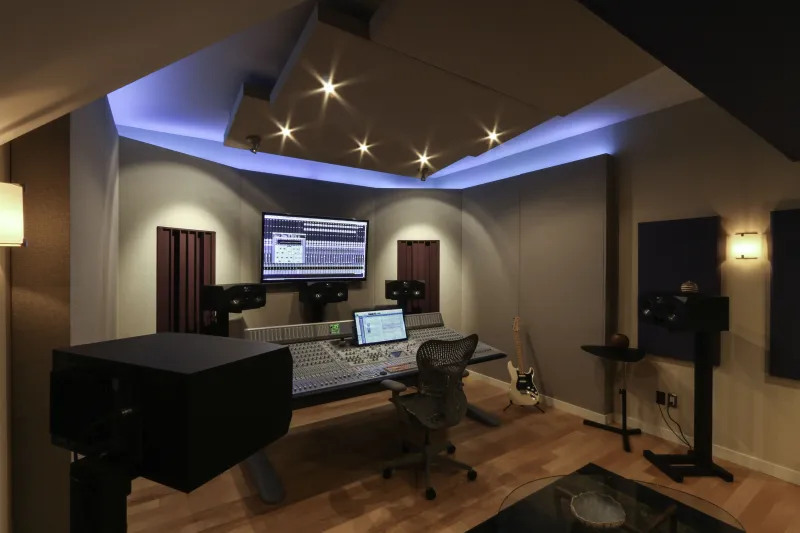
Photo: studio doorway acoustic door film production UK behind the scenes, via i.pinimg.com
On a cold morning in a converted warehouse, the first piece of kit to get a workout is rarely the camera. It is the door. Someone props it open for the van driver, someone else closes it against the wind, and a runner discovers that the closer is stronger than it looks. By lunchtime, that same door has been a light seal, a noise barrier, a fire compartment and a makeshift noticeboard. It has also, quietly, set the pace of the day.
Doors are the most used and least discussed part of a British studio. We talk about cycloramas, rigging points and power drops, but the door gets a passing mention in the floor plan and a shrug at handover. That is a mistake. On a real shoot, the door is not a detail. It is infrastructure.
The first thing that touches the day
Loading in is a choreography of corners. Flight cases, stands, trolleys, a borrowed lamp that seemed smaller in the photograph. Every doorway is a bottleneck, and every bottleneck has an opinion about your schedule. A single leaf door that felt generous when the unit was empty can become a traffic jam once a set is built three metres away. A threshold that looks harmless can catch a wheel, trip a runner or force the crew to lift rather than roll.
Studio managers tend to remember the width of a door after the first difficult job, not before. The common regret is not specifying double leaves where the route from van to stage crosses the building. Double doors are not glamorous, but they buy back time. They also reduce the temptation to take a door off its hinges, which is the kind of shortcut that ends with a missing screw and a fire assessment.
Then there is the business of keeping the outside out. British weather does not need much encouragement to enter a room. A door that faces the yard can bring in draughts, leaves, diesel smells and the particular acoustics of a reversing van. A small canopy or a sensible vestibule is not a luxury. It is what stops the studio from spending the first hour of every shoot cleaning the floor.
A seal is a promise
When people say a studio has good soundproofing, they often mean the walls. In practice, the door is where the promise gets tested. A heavy door with a poor seal is a heavy door with a gap. Acoustic gaskets, drop-down seals and a properly fitted frame do more than a slab of timber ever will. The weak points are predictable: the perimeter, the threshold, the letterbox that nobody needed, the vision panel that was specified for safety and never detailed for acoustics.
The double-door airlock is the classic answer. Two doors, a small lobby, and a rule that one stays shut while the other opens. It is simple in theory and surprisingly hard in practice, because human beings are helpful and doors are heavy. If both leaves are open at once, the soundlock becomes a corridor. If the inner door is wedged because the latch is sticky, the room is only as quiet as the car park.
A soundlock is not just a construction detail. It is a policy. Crew need to know when it applies, who is allowed to break it and what to do when a late delivery arrives during a take. The studios that get this right tend to have clear signage, a door that closes properly and a culture of not treating the airlock as a storage area.
Fire, access and the awkward truth about wedges
Every studio door is also a fire door, or should be treated like one. Fire regulations are not a decorative overlay on the creative plan. They determine swing direction, self-closing hardware, intumescent strips, signage and the routes people use when something goes wrong. Magnetic hold-opens linked to the alarm system are a sensible compromise: the door can stay open during load-in and close automatically when it needs to. A wedge does neither. It just moves the problem to the fire risk assessment.
Accessibility matters just as much. The Equality Act does not stop applying because the room is full of C-stands. Level thresholds, adequate clear widths, ramps that do not feel like a stunt and door closers that can be operated without a fight are basic parts of a professional space. They also help able-bodied crews with heavy cases, which is most crews on most days.
And then there is the question of what the door is asked to do after dark. Blackout is often treated as a curtain problem, but light spills under doors, around frames and through gaps that nobody noticed in daylight. A shoot that needs a night interior at 2pm will find every one of them. The fix is rarely dramatic: a drop seal, a blackout blind, a baffle. The drama comes from discovering it on the day.
The loading-in ballet
The door decides how a shoot starts. If the route is clear, the crew arrives, cases roll, the set goes up and the day begins on time. If the route is awkward, the morning becomes a series of small negotiations. Can the case go through sideways? Does the ramp need two people? Is the roller shutter loud enough to ruin the first take? Roller shutters are useful for vehicles and terrible for sound. Personnel doors are quiet and useless for a flight case the size of a fridge. Most studios need both, and most studios wish they had thought about the relationship between them earlier.
Ask a studio manager what they would change and the answers are rarely about paint. They mention the door that should have been double. The closer that slams during interviews. The missing vision panel that makes everyone open the door to see if the room is free. The external door with no shelter, so every delivery arrives with a puddle. The fire door held open with a chair because the magnet was never fitted.
The door as social contract
There is a quieter role, too. A closed door means recording. A red light means wait. A knock means someone is about to break the seal between the take and the tea run. Studios run on these small signals. The door teaches people how to behave in the room, and a badly designed one teaches them the wrong lesson: that noise does not matter, that safety is someone else's job, that the schedule can absorb another interruption.
At Kube Studios, the door is the bit of kit everyone uses and nobody budgets for. It is also one of the few things on a shoot that can improve sound, safety and turnaround without appearing in the shot. The best door is not the most expensive one. It is the one that closes properly, opens wide enough, lets the kit through and tells everyone where the edge of the room is.
Doors are not glamorous. They are the quiet machinery of a working studio. Get them right and nobody mentions them. Get them wrong and they become the first thing everyone remembers about the day.