Nose First: What the Air in a British Studio Is Trying to Tell You
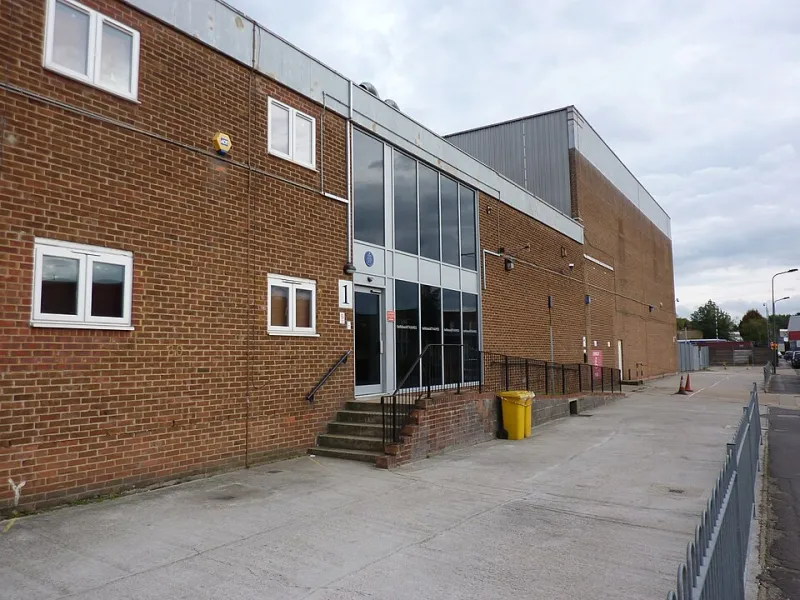
Photo: Robin Stott , CC BY-SA 2.0, via Wikimedia Commons
Walk into a studio and your eyes start working immediately. They clock the ceiling height, the sweep of the cyclorama, the nest of cables near the door. But your nose gets there first. It has already made a judgement before anyone has offered you a coffee or pointed out where the toilets are. That first lungful is a quiet briefing on the room's history, its habits and, sometimes, its readiness for the day.
At Kube Studios, we spend a lot of time thinking about what makes a production day run smoothly. Kit lists matter. Crew chemistry matters. So does the air in the room. Not in a woo-woo way, but in the practical, nose-led way that tells you whether a space has been aired, whether the paint is still off-gassing, whether the carpet has seen better decades, and whether someone remembered to empty the bins before the talent arrived.
The first impression is rarely visual
A studio can look immaculate and still smell like a lock-up that has been shut since Friday. That is not a disaster, but it is information. It tells you the room has not been breathed in yet. The windows have been closed, the extractor fans have been off, and the first job of the morning is not lighting but ventilation.
By contrast, a room that smells faintly of coffee, clean floors and a hint of something warm from the kettle feels inhabited. Not messy, just used. That is often a better sign than a space that has been scrubbed into silence. British studios are working buildings, not laboratories. A little evidence of life is usually welcome, as long as it is the right kind of life.
What readiness actually smells like
Fresh paint is the great hopeful lie of the studio world. It says someone has made an effort. It also says the room may still be drying, and that the smell will sit in the back of your throat for the first hour. If a space has been turned around quickly, paint is often the last thing to happen and the first thing you notice. Production teams learn to read it: fine for a music video with the windows open, less fine for a delicate interview setup with a sensitive contributor.
Gaffer tape has a smell of its own, somewhere between rubber and ambition. It is the scent of a room being prepared. Cables are being taped down, marks are being set, and someone is making sure nobody trips over the run to the monitor. If you can smell tape, the day has started. If you cannot, you are probably early.
Then there is haze. Used properly, it is almost invisible. Used generously, it announces itself like a guest who has overdone the aftershave. A faint haze smell can make a room feel cinematic. A heavy one can make a small studio feel like a pub back room at closing time. The trick is not to pretend it is not there, but to know how much the room can take.
Coffee, kettle and the social layer
In a British studio, the kettle is rarely just a kettle. It is a small social engine. The smell of coffee and tea moving down a corridor tells you the crew has landed, the early nerves are settling, and someone has remembered the milk. That matters more than it sounds. A room that smells of hot drinks and toast is a room where people are talking to each other.
That social layer is part of the atmosphere. It softens the edges of a space that might otherwise feel like a warehouse with a lighting rig. It also gives contributors something to do with their hands. A studio that feels welcoming is often a studio that smells like someone has been in it since half six, setting up and making sure the basics are covered.
Old carpet and the archaeology of a room
Older studios carry their history in the fibres. Carpets hold onto everything: dust, dye, spilled tea, the ghost of a fog machine, the memory of a hundred shoes. That is not automatically a bad thing. A slightly worn carpet can make a room feel grounded and forgiving. It can also tell you the space has been used for everything from dance rehearsals to corporate filming to a birthday party that got out of hand.
The nose picks up what the brochure leaves out. A musty corner might mean a ventilation issue. A sharp chemical smell might mean cleaning products have been used in a hurry. A sudden waft of damp is worth investigating before it becomes a problem for the camera or the crew. None of this is glamorous, but it is useful. The best studio managers treat smell as part of the walk-round, not an afterthought.
When clinical is the point
Not every studio should smell like a living room. For medical filming, food shoots or anything involving close work with contributors, a clean, neutral room is the right call. The aim is not to make the space smell of nothing exactly, but to make it smell of nothing distracting. That takes thought. Air the room, clean the surfaces, empty the bins, avoid heavy air fresheners and let the space settle before the first take.
A clinical room can still be welcoming. The difference is usually in the details: a clean kettle, a proper bin, a window that opens, and someone checking that the air does not hit you like a department store candle aisle. In 2026, with more productions sharing smaller spaces and tighter turnarounds, that kind of care is a practical skill.
What to do with your nose before the first take
Use it as part of the recce. Walk in, stand still and notice what the room is telling you. If it smells closed, open it up. If it smells sharp, find out why. If it smells like last night's shoot, someone needs to take the bins out. If it smells like coffee and gaffer tape, you are probably in the right place.
At Kube Studios, the air before action is part of the production. It is not a luxury or a quirk. It is one of the quiet signals that tells a crew whether a room is ready to work, and whether the people running it have thought about the day from someone else's point of view. The camera will do the rest.