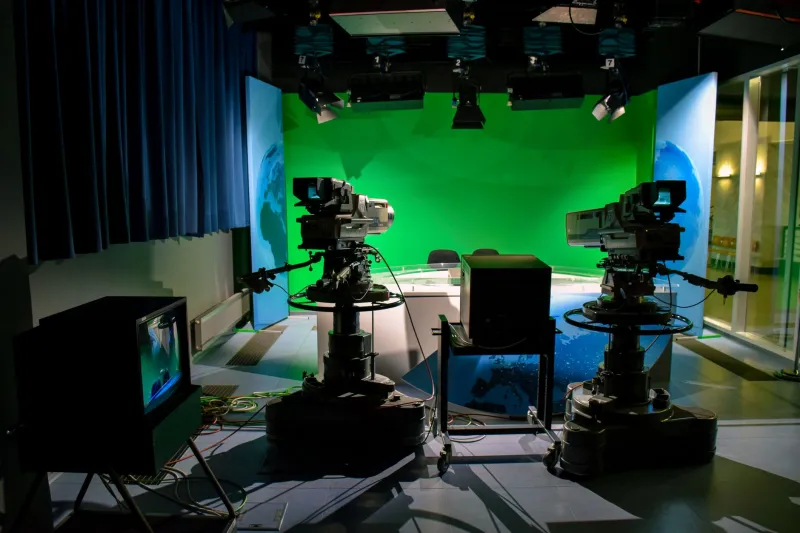
Six Minutes to Reset: The Quiet Choreography of a British Studio Turnaround
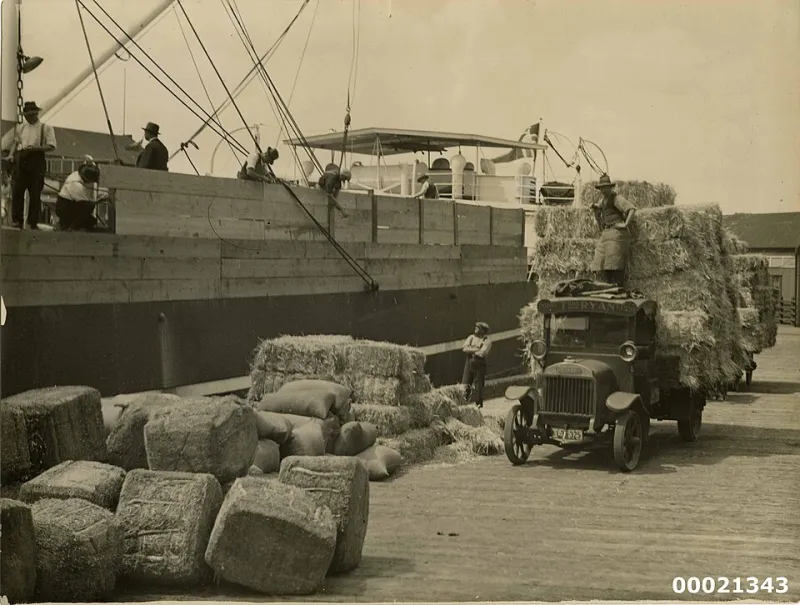
Photo: Australian National Maritime Museum on The Commons, No restrictions, via Wikimedia Commons
At 6.12am on a damp Tuesday in November, the loading bay of a mid-sized East London studio is already the busiest room in the building. Not the stage. Not the green room. The bay: a strip of scuffed concrete, a freight lift with a handwritten weight limit, and a roller door that has been opening and closing since before anyone thought to call this part of the building creative.
The previous production wrapped at 11pm. The next one is booked in for 6.30am. The schedule calls it a six-minute window: the time between the last van clearing the ramp and the next backing in. In practice, it is less a window than a held breath.
The six-minute window
Marta, the duty manager, has a clipboard and the calm of someone who has done this hundreds of times. She calls the bay 'the front door nobody photographs'. On the wall beside her is a laminated sheet listing vehicle heights, lift dimensions and the maximum load for the ramp. It is not glamorous. It is the reason the day works.
'People book a stage and forget the building has a body,' she says. 'The stage can take a huge set. The question is whether the set can get to the stage.'
The first van arrives four minutes early. Dean, the driver, has been here before. He knows the service road narrows at the corner, that the bollard by the gate is loose, and that reversing a long-wheelbase van into bay two is easier if you come in from the west. He does it in one movement. The riggers start unloading before the handbrake is fully on.
Victorian roads, modern vans
The studio sits on a street laid out for horse-drawn deliveries. The pavement is wide, the road is not. A 7.5-tonne truck can get in, but only if the driver takes the corner wide and nobody has parked a crew car in the turning space. That morning, someone has. Ola, one of the riggers, moves it with the practised apology of a person who has done it before.
This is the unglamorous logistics that decide what kind of work a building can take. A studio with a tight bay and a small lift is not worse than one with a double-height roller door and a yard. It is simply suited to different productions. A fashion shoot with soft bags and rolling cases is fine. A set build with timber flats and a tonne of ballast is another conversation.
'Weight limits are not suggestions,' Marta says. 'They are the difference between a busy day and an incident.'
Van-loading Tetris
The freight lift is the next bottleneck. It is 2.4 metres wide, 3 metres deep and has a 1,500-kilogram limit. The cargo is a mix of camera cases, lighting stands, a folded riser and a very large fake plant. The plant goes last. It always goes last.
Ola and the second rigger, Femi, load the lift like people playing Tetris with a deadline. Heavy items low and centred. Nothing leaning on the door. Nothing tall enough to catch the lift gate. A flight case that will not fit on the diagonal comes out and goes up the stairs instead. Nobody complains. This is the job.
'You learn the building,' Femi says. 'You learn which case fits which lift, which corridor has the tight corner, which door sticks in the rain. After a while you can load a van in your head before it arrives.'
What producers should ask before booking
For anyone booking studio space for the first time, the bay is not a footnote. It is part of the brief. Ask for the bay dimensions, the door height, the lift's internal size and weight limit, and the turning circle for the largest vehicle you expect. Ask whether there is a booking system for the bay, because two productions with the same delivery slot is a problem nobody needs.
Ask for a site recce with the actual vehicle, not just a production manager's estate car. Ask where waste goes, where returns are stored, and whether there is a covered area for loads that cannot get wet. Ask what happens if a van arrives early or late. The answers will tell you more about the day than the stage photographs ever will.
Why the back door defines the front of house
By 8.40am, the new production is in. The stage is still being marked up, the coffee is still being made, and the bay is already quiet again. The roller door is down. The clipboard has moved on. To anyone walking into the studio later, the day will look ordinary. That is the point.
A good loading bay does not announce itself. It simply makes the work possible: the set that arrives on time, the lamp that gets to the grid, the crew that starts without waiting on a pavement. At Kube Studios, we like the parts of production that never make the behind-the-scenes reel. They are usually the parts holding the rest together.
The six-minute window closes. The next one opens tomorrow.